
We know that starting a career in automotive work costs a lot of money.
The good news is that free mechanics courses available in the USA can help you skip the debt. Our guide shows you the best ways to learn without paying tuition.
Getting training in the auto industry doesn’t have to drain your wallet. We want to help you find the right free mechanics courses available in the USA that fit your goals and schedule. Many schools and programs offer zero-cost options for people like you.
The automotive field needs skilled workers right now. You can learn valuable skills at community colleges and through government programs. These free mechanics courses available in the USA give you real training from real instructors.
We believe everyone should have the chance to learn a trade. Your financial situation should not stop you from getting quality technical training. This guide will show you pathways to success in the automotive industry.
Keep reading to discover community colleges, vocational schools, and funded programs near you. Each option opens doors to a strong career in automotive repair and service.
Understanding the Demand for Skilled Automotive Technicians
The automotive industry faces a real challenge right now. Repair shops and dealerships across the United States are searching for qualified technicians who can work on today’s complex vehicles. We know this trend will shape your career path in meaningful ways. By learning what employers want, you can set yourself up for success in this growing field.
The Growing Need for Qualified Professionals
The Bureau of Labor Statistics shows that automotive technician positions will grow steadily over the next ten years. This growth comes from several factors. Vehicles last longer now, which means more repair work is needed. New technology in cars requires trained experts who understand advanced systems.
Right now, many repair shops struggle to find enough workers. This shortage means better job opportunities for people entering the field. We encourage you to see this as your advantage. The market needs people like you who are willing to learn and grow.
Why Employers Value Certified Technicians
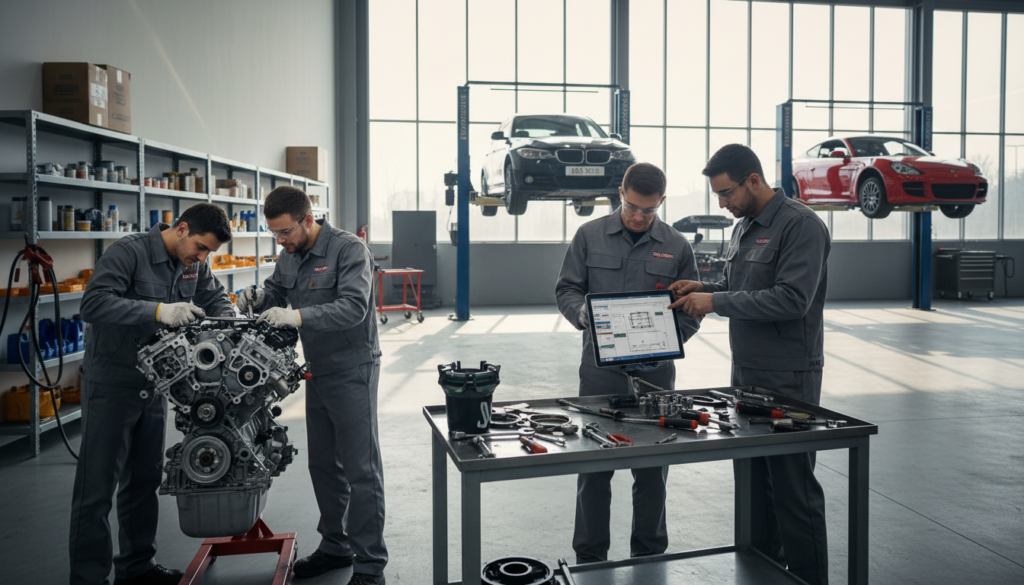
Dealerships and independent repair shops have clear preferences when hiring. They want workers who have completed formal training programs. Employers look for people who show commitment to their craft.
- Certified technicians earn more money than uncertified workers
- Formal training proves you understand safety procedures
- Structured education shows employers you take your career seriously
- Certified professionals can handle complex diagnostic work
- Employers trust trained technicians with expensive equipment
“Employers want technicians who are reliable, skilled, and ready to learn about new vehicle technologies every single day.”
We believe your investment in free mechanic courses will pay off. Employers value workers who bring real skills and knowledge to the job. When you complete training, you become a stronger candidate for better positions and higher wages.
Kursus Mekanik Gratis Tersedia di AS
We understand that pursuing a career in automotive repair doesn’t have to drain your bank account. Across the United States, numerous platforms and organizations offer high-quality, no-cost training programs for aspiring mechanics. These resources remove financial barriers and help you gain practical skills in engine repair, electrical systems, and vehicle maintenance without paying tuition fees.
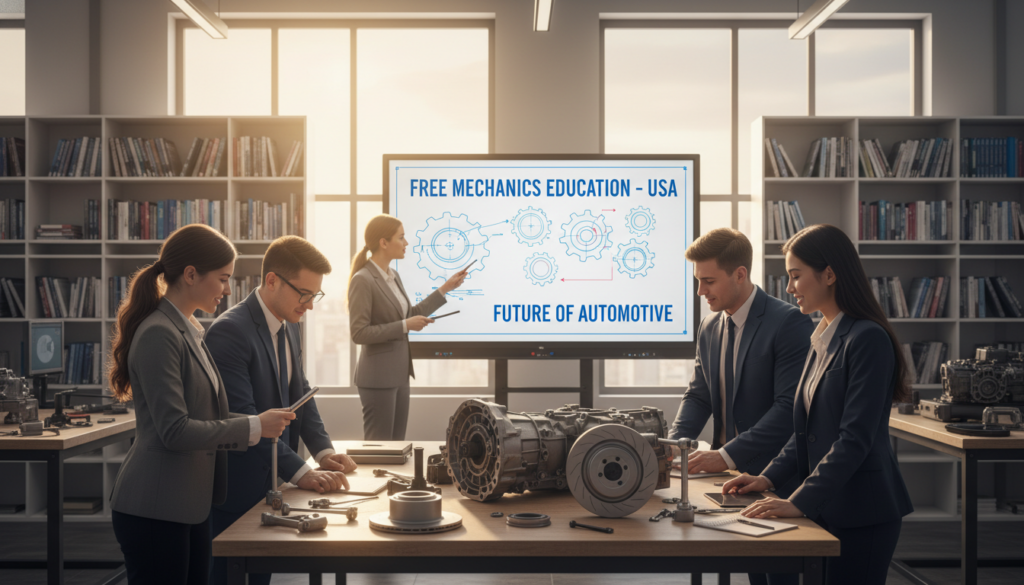
Many free mechanics courses are structured to meet current industry standards. They provide foundational knowledge that employers actively seek. Whether you’re starting your career or refreshing existing skills, these programs deliver comprehensive instruction through both online and in-person formats.
We want to highlight the key sources offering free mechanics training:
- Government workforce development programs through state labor departments
- Community colleges with tuition assistance and grant programs
- Non-profit organizations focused on technical skills development
- Trade unions offering apprenticeship programs with paid training
- Manufacturer-sponsored training initiatives from major automotive brands
- Online platforms with free foundational automotive courses
- Vocational rehabilitation services for qualifying individuals
These initiatives bridge the skills gap in the automotive industry. They connect you with experienced instructors who teach diagnostic techniques, maintenance procedures, and safety protocols. Many programs include hands-on experience with actual vehicles and industry-standard tools.
“Access to quality training transforms careers and strengthens communities.”
We recommend starting your search by contacting your local workforce development office. They maintain updated lists of free training opportunities in your area. Next, explore community colleges near you, as many offer free or heavily subsidized mechanic programs to eligible students. Your pathway to becoming a skilled automotive technician is within reach.
Exploring Vocational Automotive Schools United States
Finding the right school for your automotive career is a big decision. Vocational automotive schools United States provide hands-on training that prepares you for real-world jobs in the automotive industry. These programs focus on practical skills rather than just theory. You’ll work with actual vehicles and modern diagnostic tools. This type of training helps you get jobs faster and earn better pay right after graduation.
When you’re looking at different schools, you need to know what makes one program better than another. The best schools have strong connections with local car dealerships, repair shops, and vehicle manufacturers. These partnerships mean you might get job opportunities before you even finish your courses.
Identifying Top Rated Technical Institutes
Start your search by looking for schools that employers trust. Ask mechanics and shop owners which programs they recommend. Visit school websites and check out their equipment and classroom facilities. Call the schools directly and ask about their job placement rates. Find out where their graduates are working now.
- Research schools in your local area and nearby regions
- Talk to current students and recent graduates
- Check online reviews and ratings from trusted sources
- Visit open house events to see the facilities
- Ask about connections with major automotive manufacturers
How to Evaluate Program Quality
Program quality matters because it affects your job prospects. Look for schools with proper accreditation from recognized organizations. Check that instructors have real-world experience, not just classroom teaching background. Make sure the school has up-to-date equipment like computer diagnostic machines and modern tool sets.
| Quality Factor | Apa yang Harus Diperhatikan | Mengapa Ini Penting |
|---|---|---|
| Akreditasi | ASE or regional accrediting bodies | Ensures your certificate is recognized by employers |
| Instructor Experience | Certified technicians with shop experience | You learn from people who work in the field |
| Equipment | Modern diagnostic tools and vehicles | You train on technology you’ll use on the job |
| Job Placement | High percentage of graduates employed | Shows the school prepares you for actual careers |
Ask schools about their program length and schedule options. Some offer evening or weekend classes if you work during the day. Find out what tools and safety equipment the school provides. A quality program gives you everything you need to succeed without buying expensive items yourself.
Benefits of No-Cost Mechanic Education
Choosing no-cost mechanic education opens doors to a rewarding career without crushing student debt. We understand that tuition costs can feel overwhelming when you’re starting out. These free programs remove that financial barrier, letting you focus entirely on learning the skills that matter.
One major advantage is that you can enter the workforce ready to earn without owing thousands of dollars. This head start puts you ahead of many graduates from expensive private schools. You gain the same hands-on experience and technical knowledge at zero cost.
Many of these no-cost mechanic education opportunities receive support from industry grants and public funding. These programs exist because employers desperately need skilled technicians. The automotive industry invests in free training to build a stronger workforce for the future.
What You Gain From These Programs
- Complete technical training in engine repair and diagnostics
- Certification preparation at no tuition expense
- Access to modern tools and shop equipment
- Networking with industry professionals and employers
- Job placement assistance after graduation
We encourage you to explore these valuable opportunities in your community. You deserve quality education that doesn’t drain your bank account. Free programs deliver professional-level instruction while keeping your wallet intact.
Finding Community College Auto Mechanics Programs
Community college auto mechanics programs offer an excellent pathway for students who want quality training without breaking the bank. These schools provide hands-on education that prepares you for real-world automotive work. We understand that cost matters, which is why many students turn to their local colleges for affordable options.
Community college auto mechanics programs give you access to experienced instructors, modern equipment, and flexible scheduling. Best of all, these programs often cost far less than private vocational schools. Many students complete their training while still working part-time or managing family responsibilities.
Leveraging Local Educational Resources
Your state and local government offer several financial tools to help you attend school without paying full price. We encourage you to explore these options right away.
- State-funded grants that don’t require repayment
- Tuition waivers for eligible students
- Pell Grants from the federal government
- Work-study programs on campus
- Employer sponsorship programs
Contact your college’s financial aid office to learn what you qualify for. Many schools have staff dedicated to helping students find funding sources.
Connecting with Industry Partners
Successful community college auto mechanics programs partner with local automotive businesses. These relationships create real opportunities for you to gain practical experience before graduation.
Industry partners offer internships, apprenticeships, and job placement assistance. You’ll work alongside experienced mechanics in actual repair shops. This real-world experience makes your resume stronger and helps you build professional networks. Many students receive job offers before they even finish their training through these valuable partnerships.
Accessing Government-Funded Mechanic Training USA
We understand that finding affordable education can feel overwhelming. The good news is that government-funded mechanic training usa programs exist to help you launch a rewarding career in the automotive industry. These initiatives remove financial barriers and connect you with quality education at no cost to you.
Our nation’s workforce development system offers pathways through state labor departments and federal workforce investment boards. These agencies manage funding specifically designed to train skilled technicians. Your state likely has multiple programs ready to support your journey toward becoming a certified automotive professional.
Finding Your Local Funding Sources
We recommend starting with your state’s Department of Labor or Workforce Development office. These organizations administer grants and funding for mechanic training programs. You can visit their websites or call directly to ask about current opportunities in your area.
- Contact your state labor department
- Search the American Job Center network near you
- Ask about Workforce Innovation and Opportunity Act programs
- Inquire about apprenticeship funding opportunities
Support Services Beyond Training
We want you to know that government programs offer much more than classroom instruction. Most initiatives include career counseling, resume writing workshops, and job placement assistance with local automotive employers. These services help you stand out to potential employers and secure positions quickly after completing your training.
| Support Service | Bagaimana Ini Membantu Anda |
|---|---|
| Career Counseling | Guides your path and answers questions about the profession |
| Resume Workshops | Creates a strong document that impresses hiring managers |
| Job Placement Help | Connects you with open positions at repair shops and dealerships |
| Certification Prep | Prepares you for ASE and other industry credentials |
We encourage you to reach out to your local workforce office today. These free resources can transform your future and open doors to stable, well-paying work in the automotive field.
Mastering Skills Through Automotive Technology Training Free
Getting hands-on experience is one of the best ways to become a skilled technician. When you participate in automotive technology training free programs, you gain the real-world knowledge that employers want. These courses teach you how to work on actual vehicles under the guidance of experienced professionals. You learn by doing, not just by reading textbooks or watching videos.
The skills you develop in these programs go far beyond basic repairs. You work with modern vehicle systems that require precision and attention to detail. This practical experience gives you confidence when you start your first job in a professional shop.
Hands-On Learning Experiences
Real learning happens when you get your hands dirty. Free mechanic programs let you practice on actual vehicles and components. You work through real diagnostic problems instead of imaginary scenarios. This means you understand what happens when something goes wrong and how to fix it.
During your training, you will:
- Diagnose engine problems using step-by-step procedures
- Perform brake system repairs on different vehicle models
- Complete electrical system troubleshooting tasks
- Practice transmission maintenance and repairs
- Work on suspension and steering components
Essential Tools and Equipment Knowledge
Working with the right tools separates professionals from amateurs. Free training programs teach you how to use equipment you will encounter every day in a shop.
| Tool or Equipment | Primary Purpose | Skill Level Required |
|---|---|---|
| Digital Multimeter | Test electrical circuits and voltage | Beginner to Intermediate |
| Diagnostic Scan Tools | Read vehicle computer codes | Intermediate |
| Hydraulic Lifts | Safely raise vehicles for service | Beginner |
| Torque Wrenches | Tighten bolts to exact specifications | Intermediate |
| Compression Testers | Check engine cylinder health | Intermediate |
Learning to use these tools correctly keeps you safe and prevents costly mistakes. You understand proper maintenance procedures and care for expensive equipment. Employers notice when technicians respect tools and use them correctly.
Your training creates a strong foundation for your career. You walk into your first job with real experience and confidence in your abilities. This preparation helps you advance faster than technicians who skip hands-on training.
Preparing for Success with Free ASE Certification Preparation Courses
Getting your ASE certification is a big step in your mechanic career. We understand that passing these challenging exams requires smart planning and quality study materials. Free ASE certification preparation courses give you the tools you need to pass your tests and boost your earning potential as a certified technician.
The ASE test series includes eight main categories, labeled A1 through A8. Each test focuses on different vehicle systems and repair skills. You’ll need to pick which tests match your specialty and experience level. The National Institute for Automotive Service Excellence sets high standards for all their exams to ensure certified technicians know their work.
Our free ASE certification preparation courses come with practice tests that look like the real exams. These mock tests help you get comfortable with the question format and timing. When you practice with real exam-style questions, you build confidence for test day.
Key Study Areas for Your Tests
- Engine repair and diagnosis
- Automatic transmission systems
- Manual drive train functions
- Suspension and steering mechanics
- Brake system knowledge
- Electrical system troubleshooting
- Heating and air conditioning repair
- Engine performance testing
What You Can Expect from Preparation Materials
| Study Resource Type | Manfaat | Penggunaan Terbaik |
|---|---|---|
| Practice Exams | Mimic real test conditions and timing | Weekly practice sessions |
| Review Guides | Cover essential technical knowledge | Studying key concepts |
| Video Tutorials | Show hands-on repair techniques | Visual learning |
| Flashcard Sets | Help memorize important terms | Quick daily reviews |
Dedicating time each week to study materials makes a real difference in your results. We recommend spending at least two to three months preparing before you take your first test. Many successful technicians use free resources alongside their work experience to create a strong foundation for passing.
Your investment in preparation pays off when you earn your certification and qualify for higher-paying positions in the automotive field.
Learning Specialized Diesel Repair with Free Diesel Mechanic Courses America
The diesel repair field offers exciting opportunities for those passionate about working with heavy-duty vehicles. Free diesel mechanic courses America provide specialized training that prepares you for one of the most rewarding careers in the automotive industry. This type of education focuses on the unique systems found in diesel engines, which power trucks, buses, construction equipment, and industrial machinery across the nation.
Diesel engines operate differently from gasoline engines, requiring distinct knowledge and skills. Understanding these differences opens doors to high-paying positions with strong job security. Many employers in the transportation and logistics sectors actively search for qualified diesel technicians who can maintain and repair their fleets.
Focusing on Heavy Duty Engine Systems
Heavy-duty engine systems contain complex components that demand specialized expertise. Our training covers critical areas that every diesel specialist must master:
- Fuel injection systems and combustion technology
- Exhaust after-treatment systems for emissions control
- Electronic control modules and diagnostic software
- Turbocharger operation and maintenance
- Transmission and drivetrain systems
- Hydraulic systems in industrial equipment
These specialized skills set diesel technicians apart from general automotive mechanics. Hands-on training with actual diesel engines helps you develop confidence and competence in real-world situations.
Career Paths for Diesel Specialists
Diesel technicians enjoy diverse career opportunities across multiple industries:
| Career Path | Work Environment | Primary Focus |
|---|---|---|
| Fleet Maintenance Technician | Transportation companies and logistics hubs | Truck and bus fleet upkeep |
| Heavy Equipment Mechanic | Construction sites and equipment yards | Bulldozers, excavators, and cranes |
| Industrial Engine Specialist | Power generation and manufacturing plants | Large stationary diesel engines |
| Mobile Service Technician | On-site at customer locations | Emergency repairs and maintenance calls |
Each path offers competitive salaries and room for advancement. Diesel specialists earn respect for their technical knowledge and problem-solving abilities in demanding work environments.
“The diesel industry values experienced technicians who understand modern engine technology and can diagnose complex problems quickly.”
Starting with free diesel mechanic courses America gives you the foundation needed to succeed in this growing field. Your specialized training becomes an investment in a stable, well-compensated career that values expertise and dedication.
Navigating Financial Aid and Scholarship Opportunities
Free mechanics courses give you a great start toward becoming an automotive technician. Many training programs don’t charge tuition costs. Your education path may include extra expenses that require careful planning. Tools, uniforms, certification exam fees, and study materials can add up quickly. We want to help you understand what financial resources exist to support your journey.
Several funding sources can help cover these additional costs. Federal grants, state aid programs, and private scholarships all support automotive students. The key is knowing where to look and how to apply for these opportunities.
Types of Financial Support Available
Many organizations recognize the value of training skilled automotive professionals. We encourage you to explore multiple funding avenues to reduce your out-of-pocket expenses.
- Federal Pell Grants provide need-based funding that does not require repayment
- Work-study programs let you earn money while attending your automotive training program
- The Automotive Aftermarket Charitable Foundation offers scholarships specifically for aspiring technicians
- State vocational education grants support hands-on technical training
- Employer sponsorship programs cover costs for students willing to commit to their company
- Trade association scholarships from automotive industry groups
Steps to Secure Funding
Getting financial assistance requires organization and effort. We recommend completing the Free Application for Federal Student Aid (FAFSA) first. This form opens doors to federal and state funding. Search scholarship databases, contact your local community college financial aid office, and reach out directly to industry organizations.
Start your search early. Many scholarships have deadlines months before the training program begins. Gather required documents, write strong applications, and follow all instructions carefully. Your investment in finding these resources pays off through reduced financial stress during your training.
Launching Your Career After Completing Training
After finishing your free mechanics training, you’re ready to take the next big step. Your education has given you strong technical skills and valuable hands-on experience. Right now is the time to turn that knowledge into a real job. We’ll help you move from the classroom to the workplace with confidence and purpose.
Building a Professional Resume
Your resume is your first chance to impress employers. We recommend you organize your resume to highlight what makes you stand out as an automotive technician. Start by listing all your certifications and training programs you completed during your education.
- Include your ASE certifications and other technical credentials
- List hands-on experience from internships and apprenticeships
- Detail specific repair skills you’ve mastered
- Add any special training in diesel repair or hybrid vehicles
- Show your knowledge of diagnostic equipment and tools
Keep your resume clear and easy to read. Use simple language that hiring managers can understand quickly. Focus on real accomplishments rather than general job duties.
Networking Within the Automotive Industry
Building relationships opens doors to great job opportunities. We suggest you get involved in your local automotive community right away. Attend trade shows where you can meet experienced technicians and shop owners face-to-face.
- Join the National Institute for Automotive Service Excellence (ASE)
- Visit local car shows and industry events
- Connect with instructors and classmates from your program
- Reach out to repair shops in your area
- Follow automotive companies on social media
Personal connections matter in this field. When you build real relationships with people in the industry, employers remember you. Take action today. Start your job search with energy and purpose. Your training prepared you well. Go out and show employers what you can do.
Kesimpulan
Your path to becoming a skilled mechanic in America doesn’t have to drain your wallet. Free training programs are available across the country through community colleges, government funding, and specialized certification courses. These resources give you real opportunities to build expertise without taking on heavy debt.
We’ve explored many ways to get started in automotive work. Community colleges offer hands-on learning. Government programs cover training costs. Diesel mechanic courses teach specialized skills. ASE certification prep classes help you pass important exams. Each option opens doors to a solid career in the automotive field.
Your next move is to research programs in your area and take action. Look into local community colleges first. Check for government-funded training near you. Apply for scholarships and financial aid. Network with people already working in the industry. These steps will help you move forward with real momentum.
We believe your dedication and hard work will lead to lasting success. The automotive industry needs skilled technicians now and in the future. By choosing the free training path, you save money while building a career you can be proud of. Start today, stay focused, and watch your mechanic career take off.
